


About the Clinic
Am I a Candidate?
The Procedure
Recovery
Results
Cost
⚠️ Overseas Risks
Why Choose NZ?
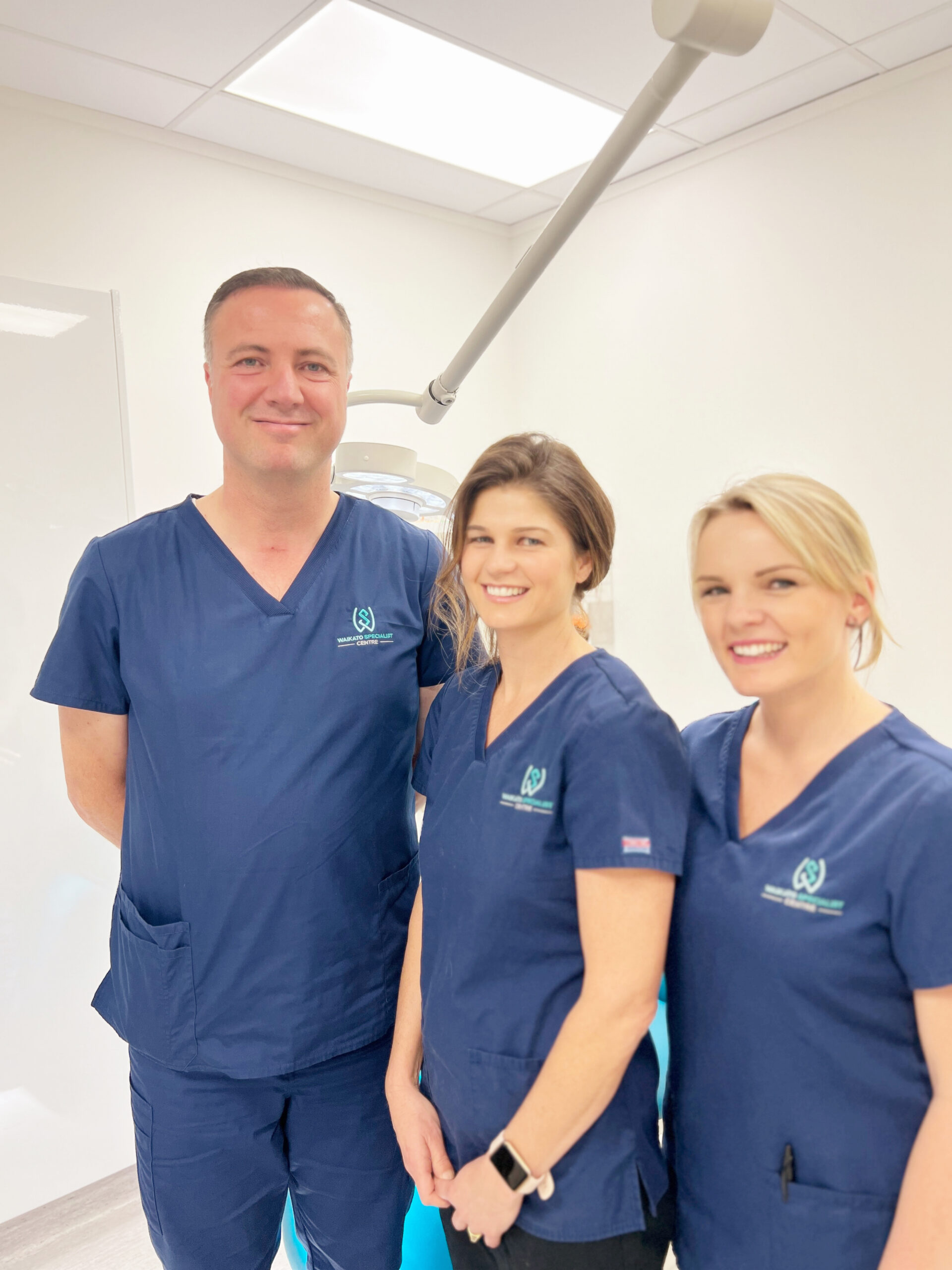
About the Clinic & Surgeon
All hair transplant procedures at Yaprak Hair Clinic are performed by Bülent Yaprak — a specialist plastic, reconstructive and hand surgeon (FEBOPRAS). Bülent personally performs every extraction and every implantation. You are not handed off to a technician or assistant at any point during the procedure.
Bülent is a specialist plastic surgeon with deep training in surgical anatomy, tissue handling, nerve function, and aesthetic judgment. These skills directly improve outcomes — more natural hairlines, better graft survival, and the ability to safely manage any complications. Many hair transplant providers in New Zealand and overseas are GPs or trained technicians, not specialist surgeons. The difference is significant and worth understanding before you choose.
Yaprak Hair Clinic was founded in 2015 — making it New Zealand's first dedicated hair transplant clinic. Bülent has been performing hair transplants in New Zealand for over a decade. You can see results going back years, not just recent cases — including Patient 1, one of New Zealand's very first FUE hair transplant patients, who had approximately 3,000 grafts.
Yaprak Hair Clinic is at the Waikato Specialist Centre, 83c Tristram Street, Hamilton Central. Patients travel from across New Zealand — Auckland, Wellington, Christchurch, Tauranga, Rotorua and beyond. We can arrange consultations around your travel schedule.
Yes. Bülent is vocationally registered as a specialist plastic surgeon with the Medical Council of New Zealand — the highest level of medical registration available. This means his qualifications and practice are independently assessed. You can verify his registration at mcnz.org.nz.
Am I a Candidate?
Good candidates have stable hair loss (not rapidly worsening), sufficient donor hair at the back and sides of the scalp, good scalp health, and realistic expectations. The best way to find out is to send photos via our contact form — Bülent will give you an honest personal assessment, including if he feels a transplant isn't the right choice for your situation.
Male pattern baldness (androgenetic alopecia) is primarily caused by a genetic sensitivity to dihydrotestosterone (DHT). Over time, DHT causes susceptible hair follicles to miniaturise and eventually stop producing visible hair. The pattern and extent of loss is largely inherited — though factors like stress can accelerate the process.
Yes, some women are good candidates for FUE hair transplantation. Female hair loss typically follows a diffuse pattern (generalised thinning) rather than the defined zones seen in men, which requires careful assessment to ensure sufficient donor hair is available. Bülent will assess your specific pattern and give you an honest view of what's achievable.
We generally recommend waiting until hair loss has stabilised — usually the late 20s or early 30s for most men. Transplanting too early, while loss is still progressing rapidly, can lead to unnatural results as surrounding natural hair continues to thin. Bülent will assess your pattern and advise honestly on timing.
Donor hair assessment requires a physical examination — density, calibre, and the area available for harvesting are all evaluated. Bülent will examine your donor zone at consultation and give you an honest estimate of how many grafts can safely be extracted. Over-harvesting can permanently damage the donor area, so conservative management is essential.
The Procedure
FUE (Follicular Unit Extraction) involves extracting individual hair follicles from the donor area using micro-punch tools, then implanting them one by one into the recipient area. Unlike older FUT (strip) methods, FUE leaves no linear scar. Results are permanent and natural-looking.
This is a full-day commitment. You arrive at 8:30am and typically finish between 4–6pm. You'll be face-down during extraction, then on your side, then sitting upright for implantation. Lunch is provided and there are movies to watch.
No. A hair transplant does not require general anaesthetic — local anaesthetic is all that is needed and is the internationally accepted standard. At Yaprak Hair Clinic you are awake throughout. There is a brief stinging sensation when the anaesthetic is first injected, after which you are comfortable for the full day. If you are ever told you need general anaesthetic for a hair transplant, that is a significant red flag worth questioning carefully.
We shave your hair on the day — please don't shave it yourself beforehand. The donor area at the back and sides is shaved short for standard FUE. Part of the recipient area may also be shaved depending on your case.
Most men need between 1,000 and 4,000 grafts depending on their stage of hair loss and goals. The minimum procedure at Yaprak Hair Clinic is 1,000 grafts ($14,000). Bülent will give you a specific estimate after reviewing your photos or seeing you in person at consultation.
Wear a button-up shirt so you can remove it without pulling it over your head, and comfortable warm trackpants. Eat and drink normally beforehand — no fasting required. Lunch is provided. Before your procedure day, purchase baby shampoo or a chemical-free shampoo for use in the days after surgery.
Recovery
In the first week: redness, scabbing around the grafted areas, and swelling — including noticeable swelling around the forehead. Swelling peaks between days 3 and 5 and settles within a week. Keep your head elevated at all times — sleep with extra pillows and avoid bending forward. Bülent's nurse checks you the morning after surgery and provides detailed written aftercare instructions.
Your grafts are fragile for 10–14 days. Minimise activity and avoid anything that could knock or rub your head. You can wear a loose hat from 48 hours onwards to conceal scabbing if needed.
Gentle washing with baby shampoo can begin the day after surgery, following Bülent's nurse's specific instructions at your next-day follow-up. Avoid direct high-pressure water on the grafted area for the first week. Full normal washing resumes around day 7–10.
Shock loss is the temporary shedding of transplanted hairs in the 2–6 weeks after the procedure. The hairs fall out but the follicles remain intact beneath the scalp. New growth from those follicles begins at around 3–4 months. Shock loss is completely normal — a predictable and expected stage, not a sign anything has gone wrong.
Most desk-based workers return within 3–5 days. Physical work or sun exposure: allow 10–14 days. Light walking from day 2–3. Vigorous exercise — running, gym, contact sports — avoid for 2–3 weeks. Swimming: at least 4 weeks. Bülent will give specific guidance based on your procedure.
Results & Permanence
New growth typically becomes visible from 3–4 months. Visible improvement is usually clear to others from 6 months. The full, mature result is typically seen at 12 months — when transplanted hairs have grown to full thickness and length.
Yes. Transplanted follicles come from donor areas genetically resistant to DHT-related hair loss. Once transplanted, they retain that resistance and continue to grow hair permanently in their new location. Transplanted hair can be cut, coloured, and styled just like your natural hair.
Transplanted hair is permanent, but your natural (non-transplanted) hair may continue to thin over time. This is why Bülent plans your procedure with your entire lifetime of potential hair loss in mind — not just the 12-month result. He preserves donor hair strategically for potential future procedures and can advise on medications like finasteride or minoxidil to slow further natural loss.
Cost
FUE hair transplants are priced at $14 per graft, with a minimum of 1,000 grafts ($14,000). Most men need between 1,000 and 4,000 grafts, giving a typical all-inclusive range of $14,000–$56,000. Every price covers the surgeon, nursing team, facility, and all follow-up appointments. The initial consultation is $267.
There is a minimum charge equivalent to 1,000 grafts ($14,000) due to the fixed costs of any procedure — the surgical team, sterile facility, equipment, and full day are the same regardless of graft count. This minimum ensures we can perform every procedure to the standard we require.
The consultation is a face-to-face appointment with Bülent himself — not a nurse or coordinator. He assesses your hair loss pattern, donor area, and goals, then provides a personalised treatment plan and exact cost quote. You leave with a clear picture of what's possible and what it will cost, with no pressure to proceed.
Yes — send photos of your hair loss (front, top, sides, back) via our contact form and Bülent will review them and provide a preliminary graft estimate and cost range at no charge, before you commit to the $267 consultation fee.
Yes. All follow-up appointments are included — from the nurse check the morning after surgery through to your 12-month review. No additional charges. No surprise costs.
No payment plans are currently offered. Your full cost is confirmed before you commit, so there are no surprises. Many patients plan their procedure over several months once they have their confirmed quote.
Cosmetic hair transplants for male or female pattern baldness are not covered by ACC or standard health insurance. However, hair restoration following accidental injury or trauma may qualify for ACC coverage when performed in New Zealand by an appropriately qualified surgeon. Speak to Bülent at your consultation about your specific situation.
⚠️ Overseas Hair Transplant Risks
Some overseas clinics are excellent — there are genuinely skilled surgeons in Turkey and India. However, both countries also have a well-documented problem with unlicensed, unregulated clinics using untrained technicians to perform surgery. The International Society of Hair Restoration Surgery (ISHRS) launched a dedicated global campaign — "Fight the FIGHT" — specifically to warn patients about this. From New Zealand it is very hard to tell the difference between a reputable clinic and one that looks professional online but operates very differently in practice.
Yes — this is a documented and common practice. A qualified doctor is presented during the online consultation, but on the day of the procedure the surgery is performed by unlicensed technicians while the doctor is absent. The ISHRS calls this the "bait and switch" model and has identified it as one of the most widespread problems in medical tourism hair transplantation. At Yaprak Hair Clinic, Bülent personally performs every single graft and you meet him face to face before your procedure.
There is no clinical reason to use general anaesthetic for a standard FUE hair transplant — local anaesthetic is all that is needed and is the internationally accepted standard. General anaesthetic means the patient is unconscious and cannot see who is in the room or who is performing their surgery. If a clinic requires or offers general anaesthetic for your hair transplant, ask specifically why. It is a significant red flag.
Overharvesting means extracting more grafts from the donor area than it can safely sustain. Your donor hair does not regenerate once removed. Some overseas clinics overharvestbecause more grafts means a higher package price and better short-term results for marketing photos. Because they don't see you again after you fly home, the long-term damage to your donor area is not their concern. An overharvested donor area can become permanently thin and may leave you unable to have any future procedures. Bülent takes a deliberately conservative approach to donor management, always planning for your lifetime of potential hair loss.
The ISHRS launched "Fight the FIGHT" (Fight the Fraudulent, Illicit & Global Hair Transplants) to warn patients that unlicensed technicians are performing surgery at many overseas clinics while a doctor takes credit. Their research found that 59% of ISHRS surgeon members report black-market clinics operating in their cities, and 10% of all hair transplants globally in 2024 were repair procedures for previous botched surgeries. The campaign holds an annual World Hair Transplant Repair Day. Bülent Yaprak is New Zealand's first ISHRS Full Member. Learn more at fightthefight.ishrs.org.
Grafts are fragile for 10–14 days after the procedure. Flying during this period risks graft disruption, swelling, and — particularly on long-haul flights — deep vein thrombosis (DVT). New Zealand is approximately 12,000km from Turkey and 10,000km from India. Most overseas packages don't adequately account for the recovery time required before flying safely.
Once you are home in New Zealand your options are very limited. You cannot raise a complaint through New Zealand's Health and Disability Commissioner against an overseas clinic. You cannot engage the Medical Council of New Zealand. International legal action is expensive and rarely successful. ACC does not cover treatment received overseas and is unlikely to cover complications from an unregulated overseas clinic. You would most likely bear the full cost of any corrective treatment yourself — often exceeding what you saved on the original procedure.
ACC does not cover treatment received overseas. For ACC to consider covering complications after you return to New Zealand, the overseas treatment would need to meet ACC's equivalency standards — a threshold that unregulated or poorly regulated overseas clinics are very unlikely to meet. Travel insurance may help, but many policies specifically exclude elective cosmetic surgery and complications arising from it, particularly where the surgery was not declared when the policy was purchased.
Why Choose New Zealand?
Having your procedure at Yaprak Hair Clinic means: Bülent Yaprak — a FEBOPRAS specialist plastic surgeon — performs every graft personally; you are awake under local anaesthetic and know exactly who is treating you at all times; you meet your surgeon face to face before the procedure; all 12-month follow-up is local and included in the price; if anything needs attention during recovery, Bülent is minutes away; and you have full protection under New Zealand's medical regulatory system including the Medical Council, Health and Disability Commissioner, and ACC.
Bülent trained in plastic surgery at Istanbul University — one of the world's most respected institutions — and continues to return to Istanbul and other international centres for advanced surgical training. You get Istanbul-trained technique and expertise, with New Zealand accountability, local follow-up, and regulatory protection. You don't have to choose between quality and safety.
Yes. If you've had a hair transplant overseas and are unhappy with the result, or have experienced a complication, contact us. Bülent can assess what's happened and discuss your options honestly. Revision hair transplant work is complex and requires the skills of a fully qualified surgeon — particularly where the donor area may have been overharvested.
Get started
Still Have Questions?
Send photos of your hair loss and Bülent will give you a personal, honest assessment — at no cost before your consultation.
Contact Us →